Building a Musical Life
Building a Musical Life
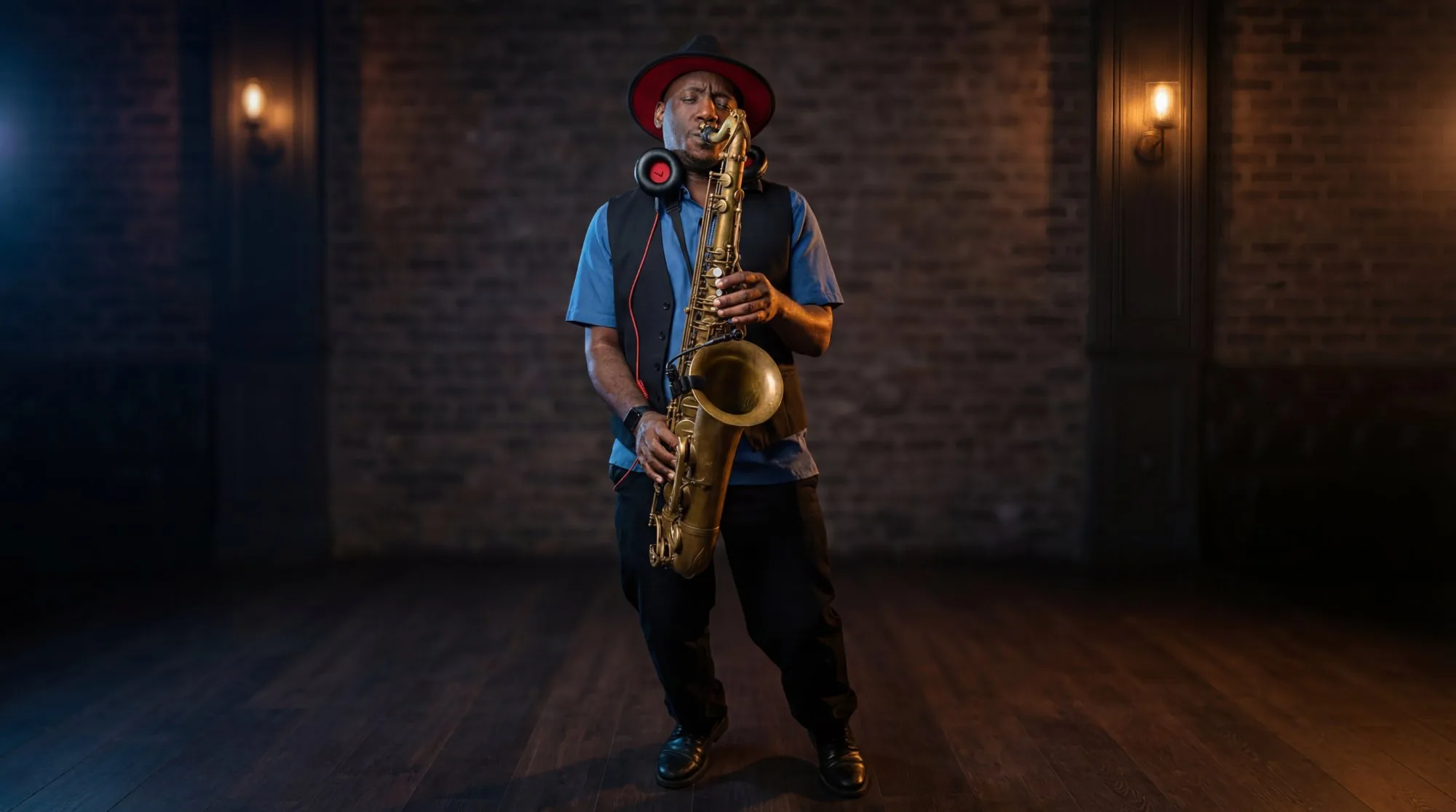
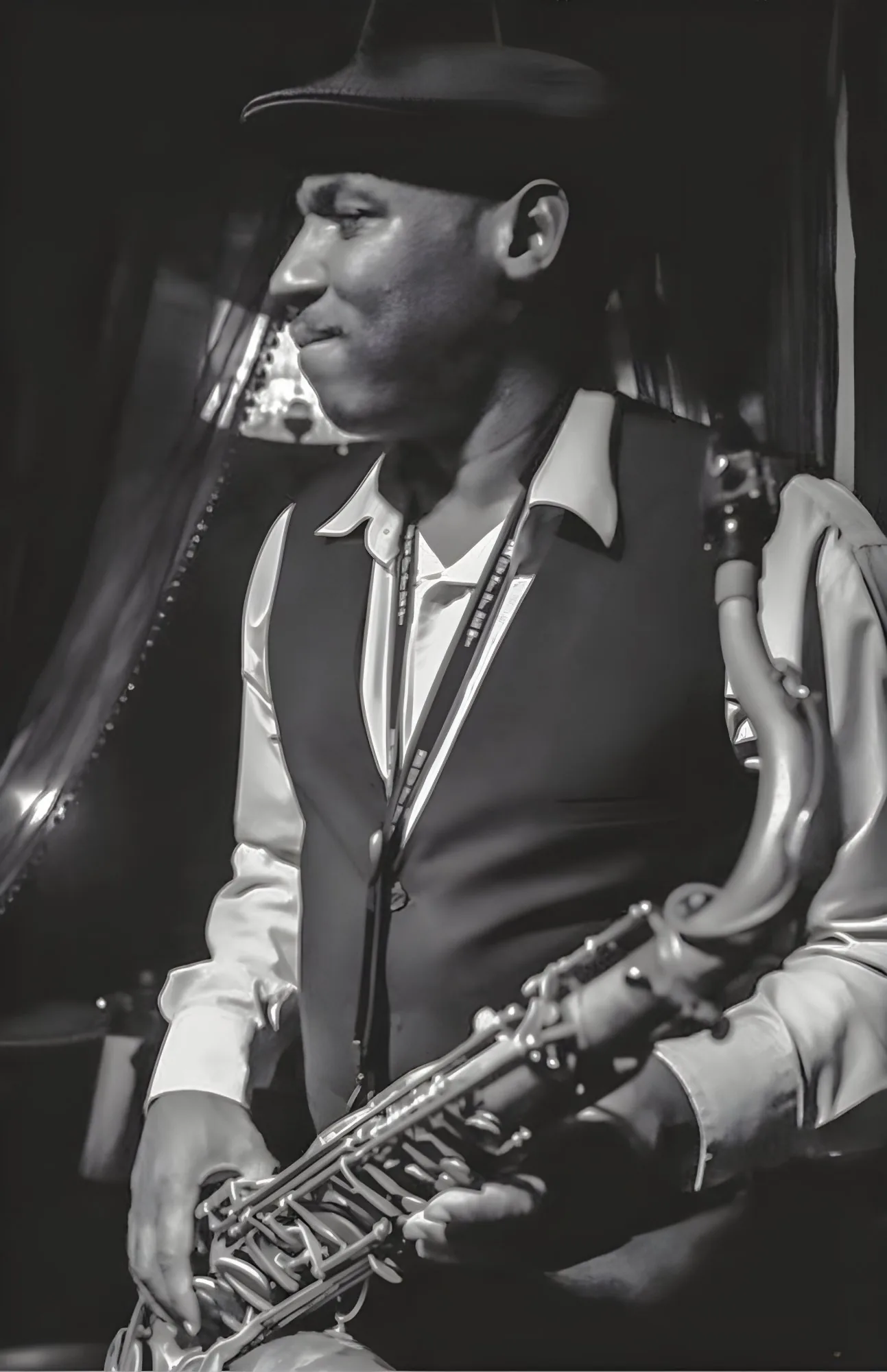
Richie's musical journey started early, in Birmingham, in a Caribbean household where music was always around him. Reggae was part of that environment, but so was gospel, R&B, funk, and the wider popular music of the time. Much of that came through the influence of his cousins, who helped open his ears to a broader musical world before he ever picked up an instrument. Being around that side of the family made his curiosity about music stronger, and gradually that curiosity turned into a real interest in instruments.
When the question of learning an instrument first came up, the saxophone was suggested to him, and something about it immediately caught his imagination. From that point, he became fascinated by its sound and character, and started paying attention to anything musical he could find that involved the saxophone. Even before he owned one, he had already begun moving in that direction. He had a couple of early lessons without a saxophone of his own, and his teacher quickly recognised that he had real potential. It was that teacher who suggested applying to the Prince's Trust for help getting an instrument.
At around 14, Richie got his first saxophone through the Prince's Trust, and that became the real beginning. What followed was more than learning notes or technique. Music gave him discipline, focus, and a way to express something deeper. The first players he remembers being drawn to were Grover Washington Jr., David Sanborn, Najee, Gerald Albright, and Kurt Whalum, musicians whose sound carried melody, soul, and personality in a way that connected with him straight away. From there, his listening deepened into Lester Young, Ben Webster, Charlie Parker, Cannonball Adderley, John Coltrane, Miles Davis, Sonny Rollins, Joe Henderson, Chick Corea, and Herbie Hancock, all of whom helped shape his musical thinking. The players he still listens to now — including Chris Potter, Seamus Blake, Joshua Redman, Mark Turner, Warne Marsh, and Lee Konitz — reflect that same ongoing curiosity and seriousness about the craft.
His path was never only about performance. Alongside building his own career, Richie also spent time helping younger people through music, including work connected to children's homes, social services settings, and young people who had found themselves in difficult circumstances. Later, through the Scarman Trust, Jazz Voices, and his wider mentoring and live-scene work, that instinct to support and encourage others became part of the bigger story. The result is a musician whose career was built not just through talent, but through listening, participation, guidance, and years of real-world musical experience.